

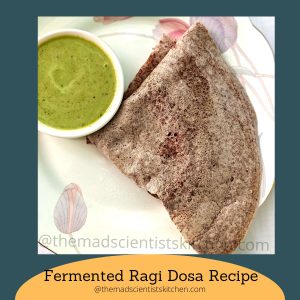
Fermented Ragi Dosa is a healthy South Indian millet breakfast recipe. These crepes are made with whole ragi (finger millet, or nachni) and urid dal. If you are new to Indian cooking, dosas are crepes traditionally made from rice and lentils. I make these dosas crips or soft and spongy too. Yes, they are customisable.
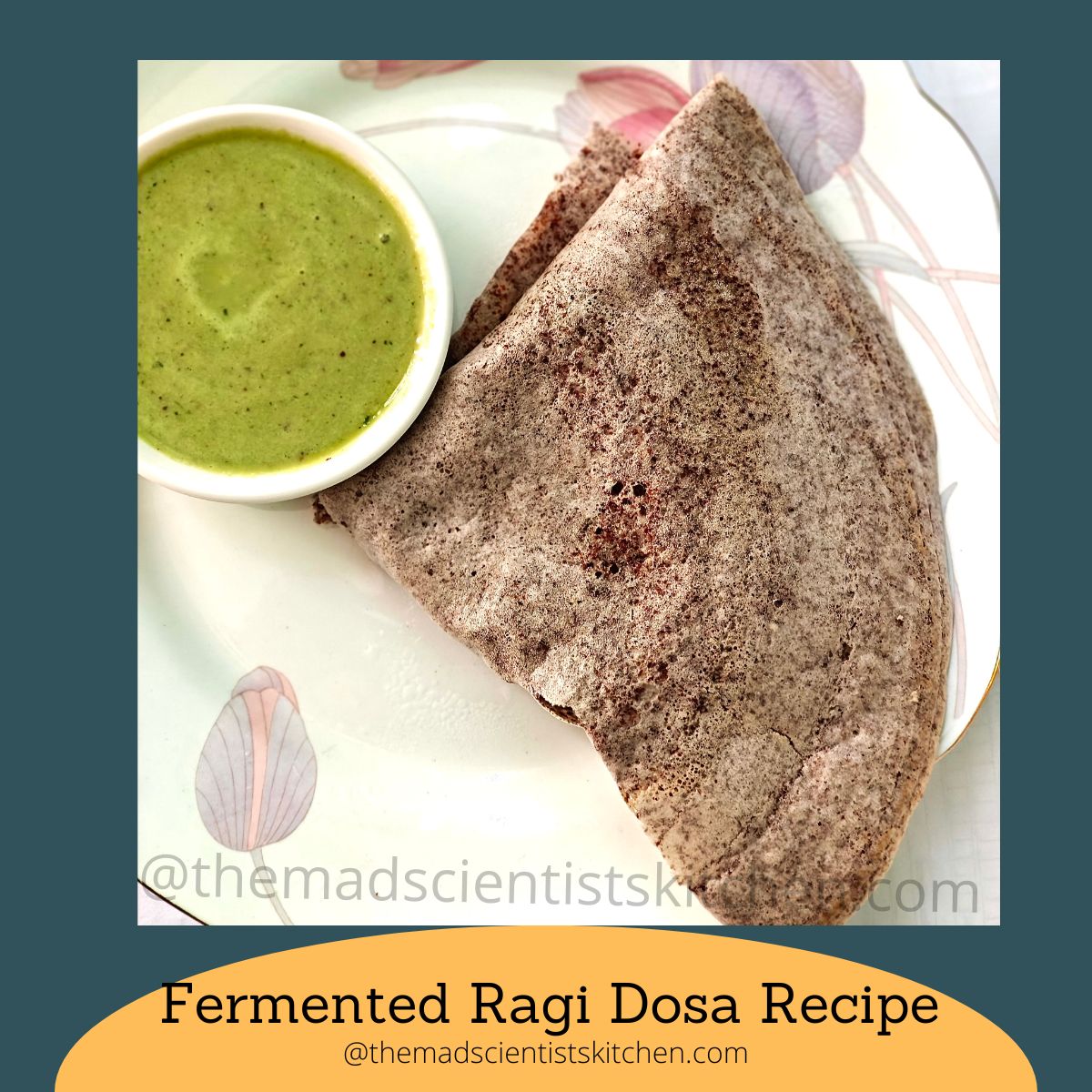
Fermented dosa has been part of our meal plan for as long as I can remember. It felt safe having a container of dosa batter in the fridge. I could whip up some dosas for meals when short on time or when tantrums struck. Dosas work for breakfast, lunch, snack and dinner, so the most helpful item in the refrigerator. But recently, we have been transitioning to millet, and hence this dosa has become a regular at my place.
Also called finger millet, is a superfood that is nutritionally dense and rich in iron and calcium. This fibre-rich grain is perfect as a weaning food and as an easily digestible grain for geriatrics. Hence, it is commonly used in most indian homes.
So we eat a lot of ragi these days: teezan, satv, ragi idli, khichu and ragi muddi. I have used ragi to make instant dosa (need to post it) and Ragi idlis.
Jump to:
A little about Ragi Dosa
This ragi dosa uses whole-grain ragi, so you need to soak it. Soaking ragi reduces phytic acid and tannins. This helps your body easily assimilate nutrients and makes digestion easier.
The well-fermented batter can be used to make idlis and dosas. My suggestion is to make a big batch of batter on day 1, make idlis and dosas the next day, and uttapam the third. The week someone complains, make appe or paniyarams.
I soak ragi overnight; it is a force of habit from when I worked. I used to grind the batter in the morning before work, and by evening it would be ready. But I have seen delicious results from soaking for 6-8 hours.
A little about Ragi Dosa
This ragi dosa uses whole-grain ragi, so you need to soak it. Soaking ragi reduces phytic acid and tannins. This helps your body easily assimilate nutrients and makes digestion easier.
The well-fermented batter can be used to make idlis and dosas. My suggestion is to make a big batch of batter on day 1, make idlis and dosas the next day, and uttapam the third. The week someone complains, make appe or paniyarams.
I soak ragi overnight; it is a force of habit from when I worked. I used to grind the batter in the morning before work, and by evening it would be ready. But I have seen delicious results from soaking for 6-8 hours.
Ingredients for Ragi Dosa
These are the ingredients you will need. For quantities, check the recipe card.
- Ragi: I have used whole Finger Millet (Nachni), soaked, then rinsed. I like the batter it gives me. You can use ragi flour, but your flour needs to be fresh, the dosa tastes bitter.
- Urad dal: Rinse and soak Urad dal in another bowl.
- Methi seeds: Gives the dosa a nice texture.
- Salt: To season the batter.
- Oil: I use oil, but you can use ghee too. Use it to grease and drizzle the pan.
How to make Ragi Dosa
- Rinse and soak the ragi and urid dal in separate bowls for 2-3 hours.
- Grind them in a blender until the udid dal is soft and fluffy, then the ragi a bit coarse.
- Add to a big bowl, add salt and mix well. Break the lumps and set aside to ferment for 6-8 hours.
- Mix well, and add some water to make a pourable batter.
- On a hot skillet or griddle over a low flame, add a ladleful of batter. Spread the batter into a circle.
- Drizzle oil and cook until slightly brown. Flip carefully and cook for another 30seconds.
- Transfer the Ragi Dosa to a plate.
- Repeat.
Top tip:
- Ferment the batter in a warm place. If you live in a cold place, you will need a longer time to ferment.
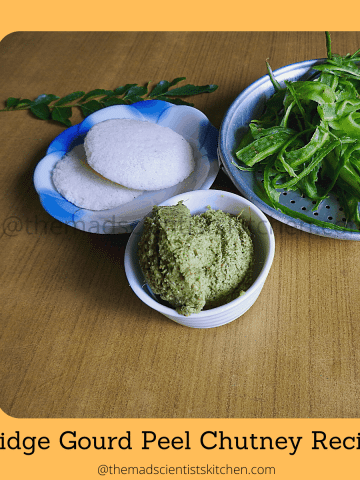
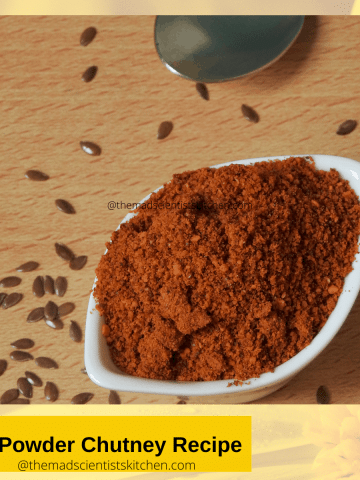
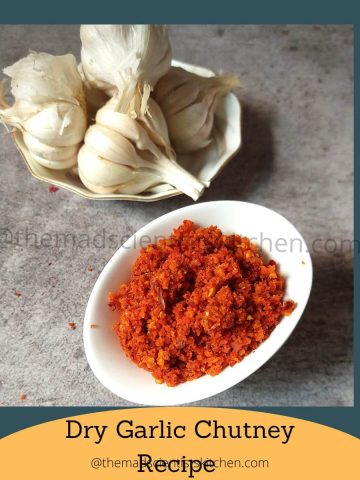
We love the dosai with some chutney. The options are plenty, like this dry garlic chutney, chutney pudi. Have you tried making chutney with tender tamarind leaves? We love using ridge gourd peels in chutney, try it! This is the season for raw mango try making this chutney.
Equipment needed for Ragi Dosa
- Bowls to soak and ferment the batter
- Blender to grind
- Skillet
- Ladle
- Spoons
- Plates to serve
Top tip for Ragi Dosa
- Rinse the whole ragi grains well with plenty of water. Soak in water about 2 knuckles above the level of the ragi.
- Similarly, rinse and soak the urid dal. Add more about 4 knuckles above the urid dal layer, as it swells more.
- Grind the urid dal first, then grind the ragi. This helps remove the sticky urid batter from the blender.
- Ferment the batter in a warm place. If you live in a cold place, your batter will take longer to ferment.
- Spread the batter on a hot skillet on low heat. Spread gently.
Pairing Recipes For Ragi Dosa
A few pairings we love with our dosa.


Related Recipes
Some other dosa recipes we love

Fermented Ragi Dosa Recipe
Equipment
- 3 Bowls
- 1 Non-stick tava/skillet
- 1 Kitchen turner
- Plates
Ingredients
- 1 cup urad dal
- 2 cups ragi Whole Finger Millet, Nachni
- 1 teaspoon fenugreek seeds
- 1 teaspoon Salt
- Oil to drizzle
Instructions
Making the Batter
- Rinse the urid dal, soak the urid dal and fenugreek seeds in a bowl with water. Soak for 2-3 hours.1 cup urad dal, 1 teaspoon fenugreek seeds
- Soak the Ragi in a separate bowl for 2-3 hours. Transfer the ragi to a fine sieve and rinse it thoroughly with water.2 cups ragi
- Drain the urid dal and grind it with about 3-4 tablespoons of water to make a smooth, fluffy batter. Transfer to a wide bowl and set aside.
- In the same blender jar, add the drained ragi and grind to a coarse paste using water.
- Transfer the ground ragi to the bowl of ground urid dal. Mix well, breaking up the lumps.
Fermenting the Batter
- Cover the bowl with a lid and set aside to ferment. Place the bowl in a warm place and let the dosa batter ferment for 6-8 hours.
- After 6-8 hours, the fermented batter's volume will have increased and become bubbly.
- Mix, then add salt to your batter. Add water as needed to adjust the consistency of your batter. Your batter should drop in thick ribbons. It should not be too thick or too thin.1 teaspoon Salt
Cooking the Ragi Dosa
- Heat a non-stick pan or a cast iron of pan. Add a ladleful of batter to the hot pan. Using the back of the ladle, gently spread the batter into a round pancake.
- Drizzle ¼ teaspoon of oil. Cook on a low flame for about 40 seconds, until the sides are slightly browned.Oil
- Flip the ragi dosa and cook until slightly brown. (about 30 seconds).
- Transfer to a plate and continue making the next dosa.
- Serve the warm dosa with chutney, potato bhaji, chutnipudi and ghee.
Video


Your comments, feedback are something I look forward to. So do comment and share with family and friends.