

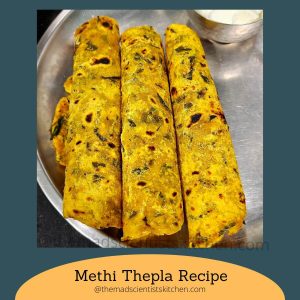
Methi Thepla, a flatbread from Gujarat, is savoury and can be enjoyed for breakfast or brunch. I serve them as our main meal for lunch or dinner.
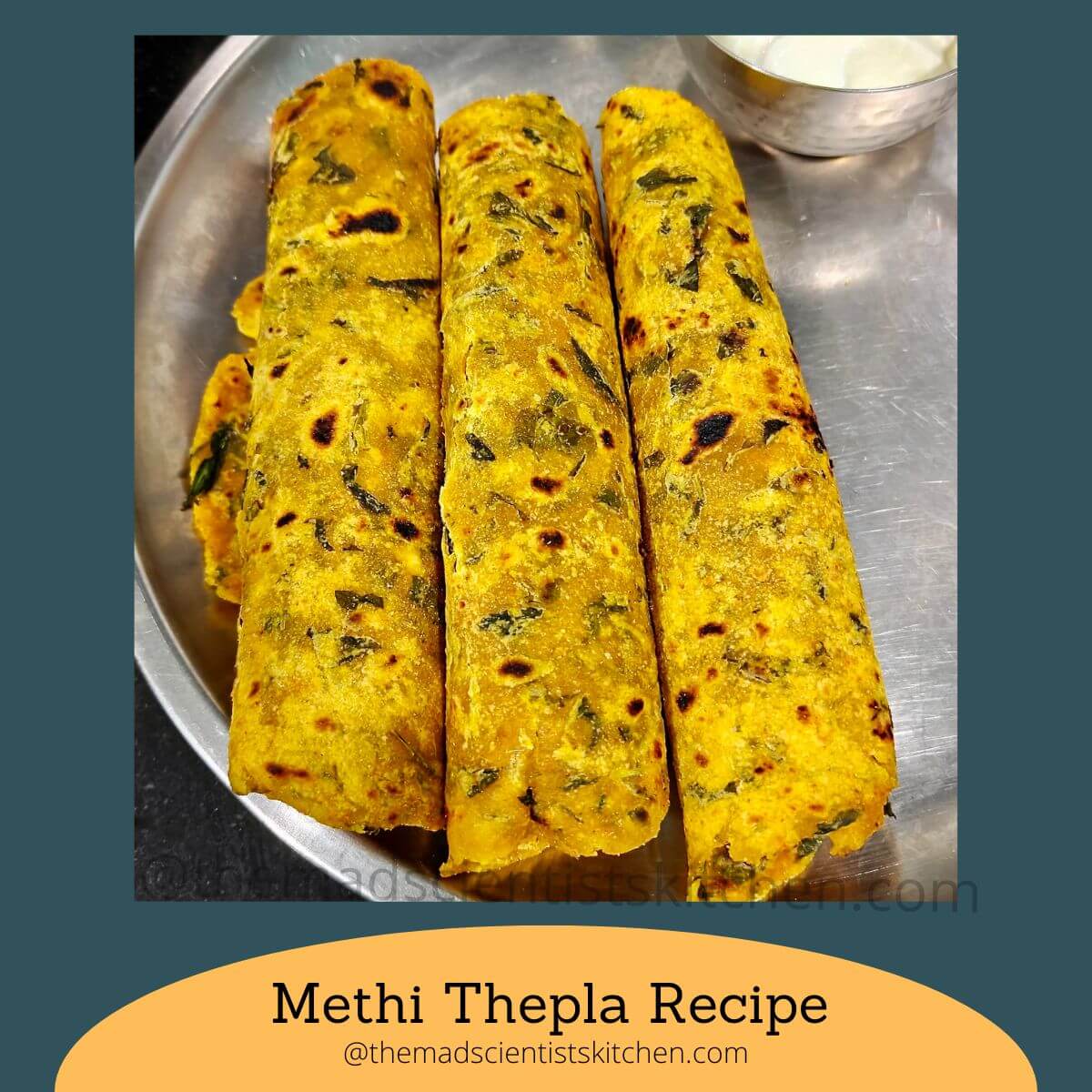
Theplas are a change to everyday chapatti in my life. My girls' lunch boxes with methi thepla, curds and some pickle, they loved it. These theplas taste great when cold too, so when travelling they are my first choice to carry. Pair theplas with tea or coffee, and I am in 7th heaven.
I love making methi (fenugreek) leaves and try to include them in our rotis often, so you will find me dishing out Methi Aloo Parathas, Nutritious Bajra and Methi Parathas, Methi Khakhra, and Freshly Baked Methi Crackers.
Fenugreek or Methi leaves makes delicious Methi Vadi, Gajar Methi Subji, Methi Matar Malai. Add methi to dals to make a lovely dal!
Jump to:
What is thepla?
Thepla is a soft, flatbread very popular in Gujarat, made from wheat flour, besan, methi, and spices.
But like all Indian flatbreads, theplas come in varieties, such as mooli thepla and doodhi thepla. If that is not enough, leftover khichidi or pulao is crushed and made into theplas. We Indians have run a zero-waste kitchen for aeons now.
Served with dahi, garlic chutney and chundo, a sweet pickle, it is a meal you will relish.
So what are the different flatbreads in Indian cuisine?
The diversity of Indian cuisine is reflected in the sheer variety of flatbreads and crêpes.
Most Indian breads are flatbreads, and we do not use a leavening agent. These flatbreads are made with a variety of whole-grain flours, from the ordinary whole-wheat flour to rice flour, jowar, bajara, and ragi.
We also use veggies to increase the nutritive value and fibre content of the roti, which we call parathas or theplas. We have many kinds of paratha, like Methi Aloo Paratha, Paneer Paratha, Sattu ka Paratha, Paratha with Leftover Monng Dal to name a few that I have made. There are still many, many more that I have not made.
Then we have dosa, appams, polle, the crepes with basic ingredients like grains and lentils.
If you think only rotis are made, there are lentil dosas as well.
These vegetables are either stuffed or mixed with flour, and the result is called a paratha.
How to store fenugreek leaves?
Purchase fenugreek; the leaves should be green and tender. Pluck the leaves from the stems. I prefer to store them in paper bags and store the bags in a plastic container. Since we live in a humid place, I check the container and dry it. This way, they stay fresh for 4-5 days.
If you need the fenugreek leaves for longer, stir-fry them in oil. I use a non-stick pan to fry chopped garlic and fenugreek leaves on medium flame till the leaves dry. Store in an airtight container and refrigerate. You can add these cooked leaves to your dals, vegetable curries or even parathas.
Ingredients to make Methi Thepla
- Methi leaves (or fresh green fenugreek leaves) give the thepla a lovely taste.
- Whole wheat flour for binding and rolling the dough.
- Gram flour (or besan): I generally avoid adding it, but do add it.
- Herbs: Ginger and Green chillies crushed to a paste.
- Spices: Red Chilli Powder, turmeric powder, Cumin Powder, Coriander Powder.
- Salt: as needed.
- Sugar: to balance out the bitter taste of methi( optional but recommended).
- Curds: (yoghurt) or water for kneading as required.
- Oil: for frying the thepla.
Optional Ingredients:
- Millet flour: Use either pearl millet flour (bajra flour) or sorghum flour (jowar flour) or a mixture of both.
How to make Methi Thepla
Prepping Methi Leaves
- You need to pluck the leaves off the stems. Pack them in a measuring cup of methi leaves, then soak them in a large bowl with 1 litre of water. The mud and dirt will settle down, then use a skimmer to remove the leaves. Dry them in a sieve or a tea towel and then chop them finely. Chopping the leaves fine eases rolling out the thepla. Otherwise, they tear.
Making the dough
- In a big bowl, or what we call a parat, add the spices and herbs, namely ginger and green chilli paste, red chilli powder, turmeric powder, cumin powder, and coriander powder.
- Add salt, sugar, the chopped methi leaves and a teaspoon of oil and rub them all together. Till the methi is soft, water will be released. Some people drain out this water as it can be bitter, but I do not.
- Next, add the flours and bring together the mixture with the curds. Add the curds as needed to prevent the dough from becoming sticky. I prefer to make a firm dough as the salt and methi will release some liquid.
- We do not rest the thepla dough, make the medium balls and set up the rolling and frying station.
Rolling Into Flatbreads
- For rolling the dough, you will need a board, a rolling pin, a bowl of oil, and some dry wheat flour to dredge the balls and roll.
- Dredge one ball in the dry flour, then roll it out on a surface with a rolling pin. You can lightly dust the surface with flour to prevent the flatbread from sticking.
- The size I generally aim at is about 8 inches in diameter. You can make them smaller or larger as needed.
How to cook Methi Thepla
- Generally, as I start rolling out my theplas, I place a tawa or skillet on a low-to-medium flame to heat. By the time the thepla is rolled out, the skillet is hot.
- Once hot, transfer the thepla to the tawa and cook for a minute or two. There will be small pockets that will bubble up. Flip using a spatula, or, in my case, my hands.
- Use a spoon and drizzle oil on top of the thepla. Let the thepla cook until it develops brown spots (about 2-3 minutes), then flip it.
- Use the spatula to press the edges of the thepla to the tawa. (2 minutes)
- Your thepla is done. Transfer it to the waiting plate to enjoy with pickle, curds and tomato chutney.
- I will add the theplas to my casserole to keep them warm for our lunch.
Variations to Methi Thepla
- Methi thepla has variations, and I love the idea of Lauki Thepla and Mooli Thepla, as shared by Dassana.
- I have used other greens, such as mooli or radish greens, spinach, or palak, in the past. To these theplas I don't use besan.
- My mother-in-law made Ukhari; she mixed whole wheat flour, jeera, ajwain, salt, a little chilli powder, and turmeric powder. The dough is mixed with water, and the rest of the method is as I have listed above.
Equipment for Methi Thepla
- Bowl for mixing
- Board and rolling pin
- Skillet
- Turner
- Casserole
- Knife and Board
Storing Suggestions for Methi Thepla
- Methi Thepla are enjoyed right away or later on the same day.
- If you need them to last for 3-4 days, use water, not curds, to mix.
- If storing the theplas, cool them and store in a casserole or an airtight container.
- To freeze the theplas, stack them with parchment paper between. Store in freezer bags for one month.
- Let the theplas thaw, then reheat them on a tawa till they are warm.
Pro Tips for Methi Thepla
- The mixed dough should be pliable, smooth and soft. Thepla will become hard if the dough is stiff. Use some curd or yoghurt to adjust the dough. If your dough is sticky, soft, rolling out the thepla will be difficult. Add some wheat flour and mix well.
- Curds keep the thepla soft, but these thepla need to be consumed in 24 hours. If you plan to store thepla for a more extended period or carry them while travelling, use oil. Use 3-4 tablespoons of oil in the flour, then knead the dough with plain water as I have shared above.
- You can adjust spices to suit your taste. For a spicy thepla, use green chilli paste and red chilli powder.
- I use oil, usually sunflower oil or peanut oil. Try using ghee or clarified butter, especially when eating the theplas immediately.
Related Recipes for Methi Thepla
If you like these Theplas then try these traditional Gujarati recipes. They are also travel-friendly too!
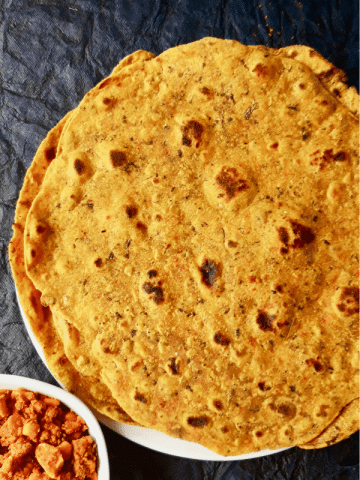
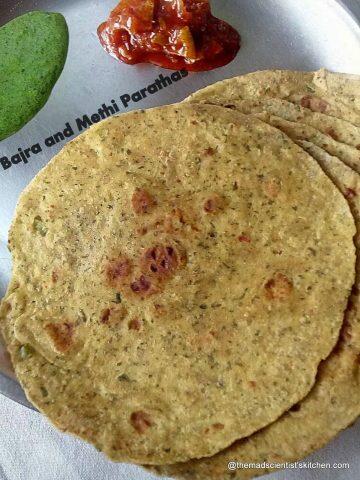
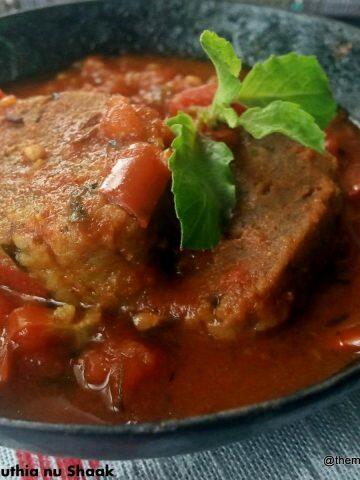
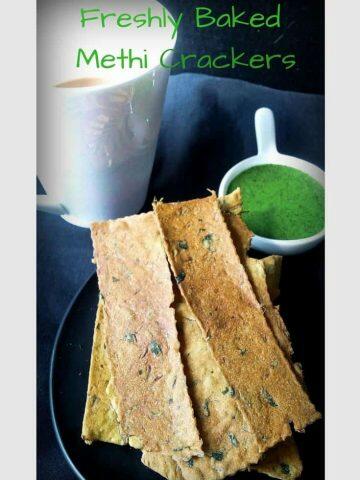
Pairing Recipes for Theplas
Pair the theplas with
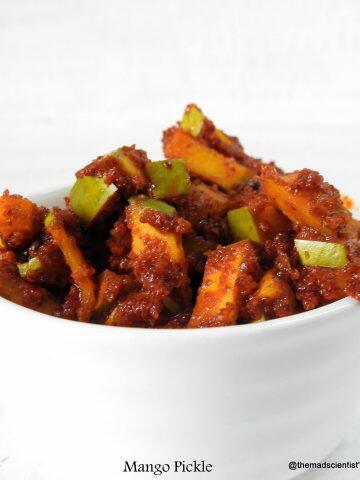
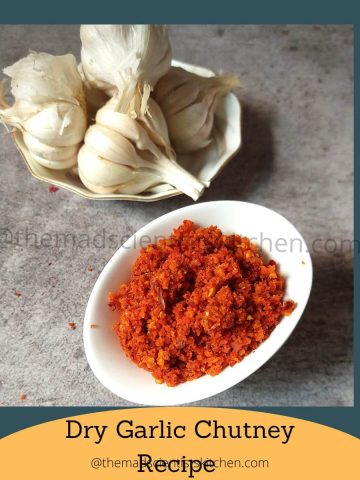
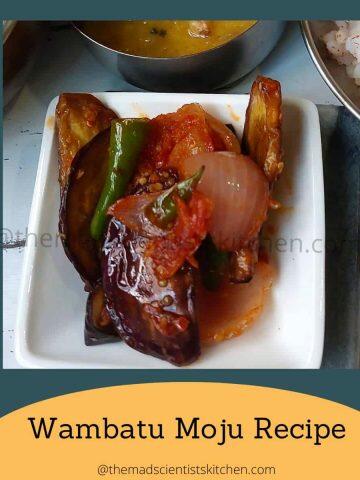
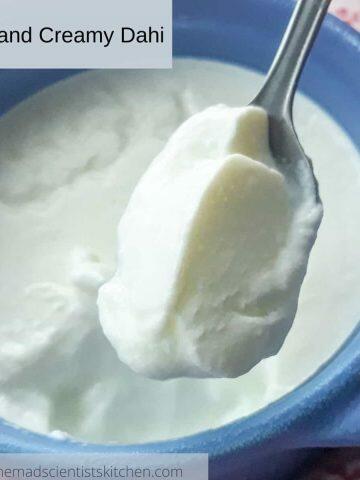
Summary: Soft and flavourful Methi Theplas taste wonderful with pickles and curds. Carry these theplas while travelling they are wholseome and comforting meal. If you like recipes like this, simple, easy and easily doable follow me. Tag me if you make this recipe on instagram. Will love to see your creation!
Equipment
- 1 Bowl for mixing
- Knife and board
- Rolling Pin and Board
- Tava/skillet
- Kitchen turner
- Casserole dish
Ingredients
- 1 cup fenugreek leaves or fenugreek leaves tightly packed
- 1 cup whole-wheat flour
- ¼ cup besan
- 1 tablespoon Ginger crushed to a paste
- 1 teaspoon Green chillies crushed to a paste
- ½ teaspoon red chilli powder
- ½ teaspoon turmeric powder
- 1 teaspoon cumin powder
- ½ teaspoon coriander powder
- ¾ teaspoon Salt or add as required
- ½ teaspoon Sugar
- ½ cup curds or yoghurt
- ½ tablespoon Oil
- ¾ cup Water or add as needed
- Oil as needed for frying thepla
Instructions
Prepping Methi Leaves
- Pluck the leaves off the stems. Pack them in a measuring cup of methi leaves, then soak them in a large bowl with 1 litre of water. The mud and dirt will settle down, then use a skimmer to remove the leaves. Dry them in a sieve or a tea towel and then chop them finely. Chopping the leaves fine eases rolling out the thepla. Otherwise, they tear.
Making the dough
- In a large bowl, add the ginger and green chilli paste, red chilli powder, turmeric powder, cumin powder, and coriander powder. (1 tbsp Ginger, 1 teaspoon Green chillies, ½ teaspoon red chilli powder,½ teaspoon turmeric powder,1 teaspoon cumin powder,½ teaspoon coriander powder)
- Salt, sugar, the chopped methi leaves and a tablespoon of oil; rub them all together. Till the methi is soft, water will be released. Some people drain out this water as it can be bitter, but I do not. (¾ teaspoon Salt + ½ teaspoon Sugar+ 1 cup fenugreek leaves+ ½ tablespoon Oil)
- Next, add the flours and bring together the mixture with the curds.(1 cup whole-wheat flour +¼ cup besan +½ cup curds)
- Add the water and mix the dough. I prefer to make a firm dough as the salt and methi will release some liquid. (¾ cup Water)
- We do not rest the thepla dough.
Rolling Into Flatbreads
- Make medium-sized balls from the dough.
- Dredge one ball in the dry flour, then roll it out on a surface with a rolling pin. You can lightly dust the surface with flour to prevent the flatbread from sticking.
- The size I generally aim at is about 8 inches in diameter. You can make them smaller or larger as needed.
How to cook Methi Thepla
- Generally, as I start rolling out my theplas, I place a tawa or skillet on a low to medium flame to heat. By the time the thepla is rolled out, the skillet is hot.
- Once hot, transfer the thepla to the tawa and cook for a minute or two. There will be small pockets that will bubble up. Flip using a spatula, or, in my case, my hands.
- Use a spoon and drizzle oil on top of the thepla. Let the thepla cook until it develops brown spots (about 2-3 minutes), then flip it. (Oil)
- Use the spatula to press the edges of the thepla to the tawa. (2 minutes)
Serving the Thepla
- Your thepla is done. Transfer it to the waiting plate to enjoy with pickle, curds and tomato chutney.
- I will add the theplas to my casserole to keep them warm for our lunch.
parwatisingari says
I make it without garlic, but I add besan.
ArchanaPotdar says
Yes even I did that but they seem to get better appreciation with the addition of garlic.
Pavani says
Methi thepla looks so delicious Archana.
Sowmya says
The theplas look delicious Archana!